

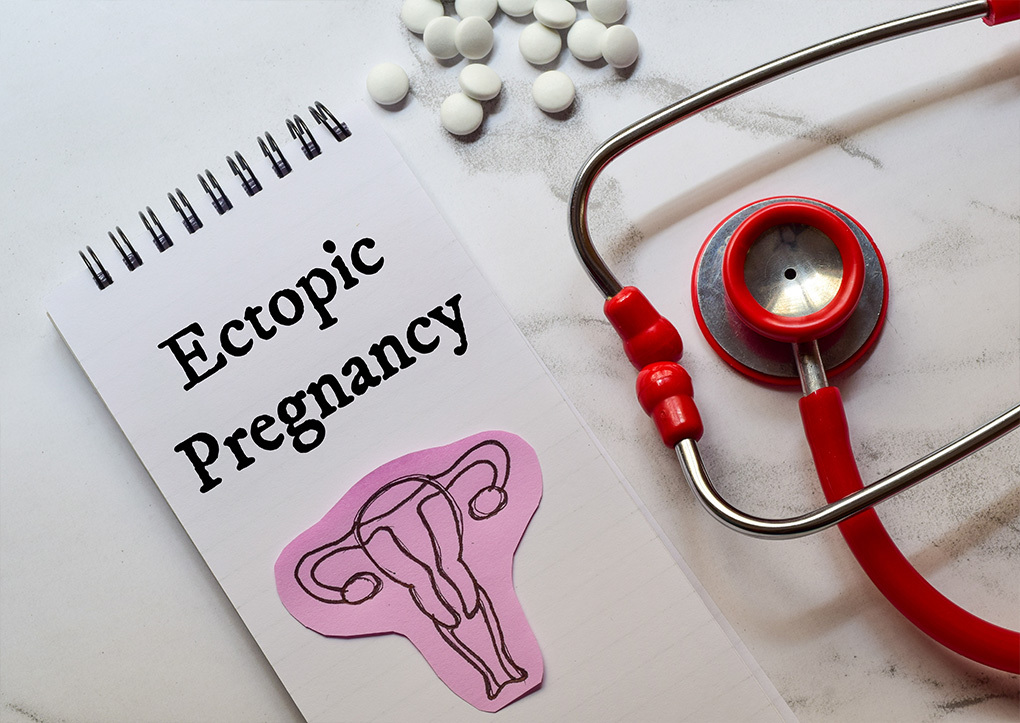
An ectopic pregnancy occurs when an embryo implants outside the uterus, potentially causing bleeding, abdominal pain, and other discomfort; in severe cases, it can be fatal. This article will explore the definition, causes, symptoms, diagnosis, and treatment of ectopic pregnancies, helping you understand how to manage this condition.
What is an ectopic pregnancy?
Under normal circumstances, a fertilized egg travels through the fallopian tube to the uterus to implant and grow. An ectopic pregnancy occurs when the fertilized egg cannot reach the uterus and instead implants in the fallopian tube, ovary, abdominal cavity, cervix, or uterine incision. Tubal ectopic pregnancy is the most common. If not treated promptly, it can be life-threatening, requiring early diagnosis and treatment.
The chance of ectopic pregnancy
Statistics show that the incidence of ectopic pregnancy is 1%, meaning that 1 in 100 pregnant women will experience an ectopic pregnancy, so it should not be ignored. Furthermore, women who have experienced an ectopic pregnancy have a tenfold or greater chance of experiencing another ectopic pregnancy.
High-risk groups prone to ectopic pregnancy
While any pregnant woman can experience an ectopic pregnancy, some are at higher risk. These include:
- Having experienced an ectopic pregnancy: the recurrence rate is approximately 10 to 15%.
- Those who have undergone fallopian tube surgery, such as tubal ligation, have a higher chance of ectopic pregnancy than the average person, even if the ligation fails.
- Previous history of pelvic inflammatory disease: Pelvic inflammatory disease occurs when bacteria in the vagina spread to the uterus and pelvic cavity, causing inflammation. This condition can make it easier for the fertilized egg to be obstructed during transport, increasing the chance of ectopic pregnancy.
- In-vitro fertilization (IVF): IVF typically involves implanting two to four fertilized eggs into the uterus simultaneously. If a woman has pre-existing tubal defects, this increases the risk of ectopic pregnancy.
- Using an intrauterine device (IUD): If pregnancy still occurs while using a contraceptive device, there is a greater chance of an ectopic pregnancy.
- Smokers: Smoking can affect the health of the fallopian tubes and increase the risk of ectopic pregnancy caused by fertilized eggs remaining in the fallopian tubes.
- Advanced maternal age:Advanced maternal ageBecause of the prevalence of gynecological diseases, the chances of having an ectopic pregnancy are relatively high.
5 major symptoms and signs of ectopic pregnancy
Symptoms of ectopic pregnancy vary from person to person. Here are 5 common symptoms and signs:
- Signs of pregnancy include: fatigue, breast swelling and pain, nausea, and changes in taste.
- Abdominal pain: The most common symptom of ectopic pregnancy is abdominal pain, which usually occurs on one side and may be persistent or intermittent severe pain.
- Vaginal bleeding: Ectopic pregnancy may cause abnormal vaginal discharge or even bleeding, which is usually dark brown in color and mostly watery in texture.
- Neck and shoulder pain: Ectopic pregnancy can cause the fallopian tubes to rupture and bleed, which can irritate the nerves in the neck and shoulders near the diaphragm, leading to neck and shoulder pain.
- Dizziness: When an ectopic pregnancy ruptures and causes bleeding inside the uterine cavity, dizziness may occur due to massive blood loss.
Causes of ectopic pregnancy
Ectopic pregnancies are mostly related to the health of the fallopian tubes. For example, the fallopian tubes may be blocked due to surgery, infection or other reasons, preventing the fertilized egg from reaching the uterus smoothly and increasing the risk of ectopic pregnancy.
Can an ectopic pregnancy be detected with a pregnancy test?
A pregnancy test can only detect whether you are pregnant, but it cannot detect an ectopic pregnancy. It is recommended to see a doctor as soon as possible, around 5-6 weeks of early pregnancy.Ultrasound examination.
Methods for diagnosing ectopic pregnancy
If an ectopic pregnancy is suspected, doctors will usually make the following diagnostic decisions:
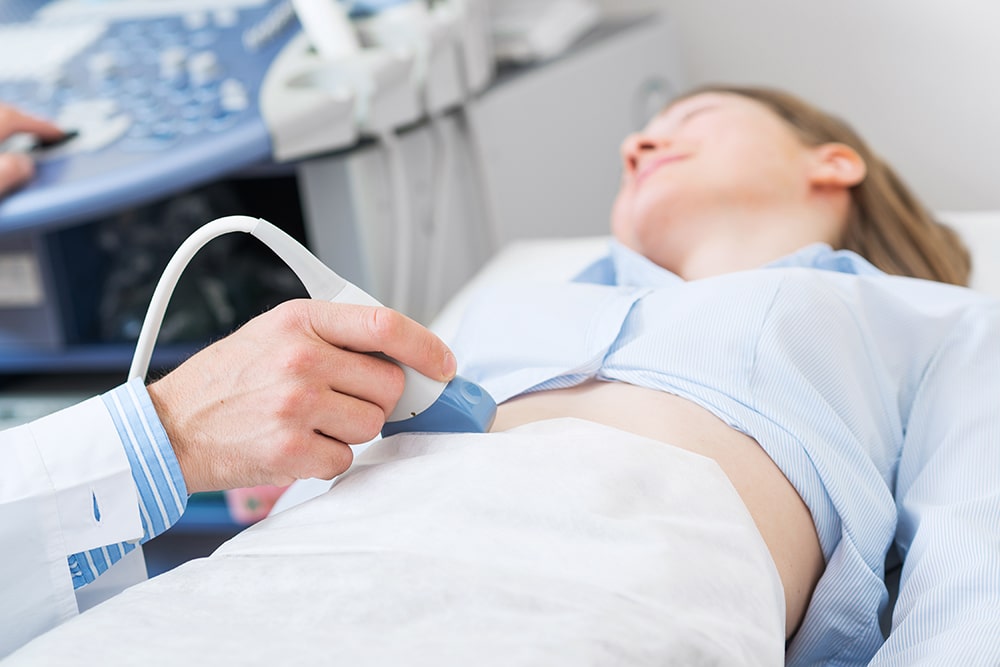
- Ultrasound examination: Through an abdominal or vaginal ultrasound, doctors can examine the condition of the uterus and fallopian tubes to assess for the possibility of an ectopic pregnancy. Because the embryo needs to grow to a certain size before it can be detected by ultrasound, this method is suitable for women who are at least 5-6 weeks pregnant.
- Blood testDoctors can assess the risk of ectopic pregnancy by detecting increases in human chorionic gonadotropin (Beta HCG) levels in the blood.
- Laparoscopy: If a diagnosis cannot be made through ultrasound and blood tests, a laparoscopy under general anesthesia may be necessary to determine if an ectopic pregnancy is present.
The effects of ectopic pregnancy on the fetus
Because the fertilized egg does not implant in the uterus, the embryo in an ectopic pregnancy cannot develop into a fetus normally. If an ectopic pregnancy is not treated in time, it may lead to fallopian tube rupture, causing internal bleeding and endangering the patient's life.
Management and treatment of ectopic pregnancy
If a pregnant woman suspects or is diagnosed with an ectopic pregnancy, there are three treatment options available.
1. Surveillance: Several conditions must be met, and continuous surveillance is required until the end of the pregnancy. During surveillance, there is a possibility of rupture of the ectopic pregnancy requiring emergency surgery.
2. Chemotherapy treatment: Several conditions must be met, and continuous monitoring is required until the pregnancy is over. During monitoring, there is a risk of ectopic pregnancy rupture and bleeding requiring emergency surgery. Pregnancy is not recommended for six months after chemotherapy treatment.
3. Surgery: Laparoscopic surgery is usually used, but in critical cases, open surgery may be necessary. The surgery involves removing the relevant fallopian tube tissue. If there are no signs of rupture and the beta hCG level is low, only the ectopic pregnancy tissue may be removed, preserving the fallopian tube.
Can ectopic pregnancy be prevented?
While ectopic pregnancy cannot be completely prevented, the risk can be reduced through safe sexual practices, such as reducing the number of sexual partners to decrease the chances of developing fallopian tube inflammation or other sexually transmitted infections. Women who smoke should quit as early as possible to lower their risk of ectopic pregnancy. Additionally, if symptoms such as vaginal bleeding or sudden lower abdominal pain occur during pregnancy, it is important to be vigilant and seek medical attention promptly for diagnosis to ensure the health of both mother and baby.
Will an ectopic pregnancy affect the chances of getting pregnant in the future?
Women who have had an ectopic pregnancy can still conceive naturally again. However, in addition to a higher chance of recurrence, the chances of pregnancy will decrease, especially if the other fallopian tube is also blocked. The actual situation depends on the extent of damage to the individual's reproductive organs.
Obstetrics and Gynaecology Specialist
Dr. Suen Sik Hung, Stephen
Hong Kong's Centres of Excellence for Medical Services are located throughout Hong Kong Island, Kowloon, and the New Territories, dedicated to providing a range of services.Obstetrics and Gynecology Specialist及Assisted Reproductive ServicesOur services include prenatal diagnosis, general obstetrics, high-risk obstetrics, midwifery, and postpartum care, ensuring mothers and babies receive meticulous care before, during, and after childbirth. Our obstetrics and gynecology specialist center boasts an experienced medical team and comprehensive equipment, dedicated to providing women with all-round professional support to meet their diverse needs. If you are interested in learning more about the obstetrics and gynecology specialist services at Excellence Medical Centre, please contact us or via WhatsApp 90256288.


